
The story of CELLID
A project built on community, and the simple idea that cell tower data should be accessible to everyone. Here's how it got here.
-
2008
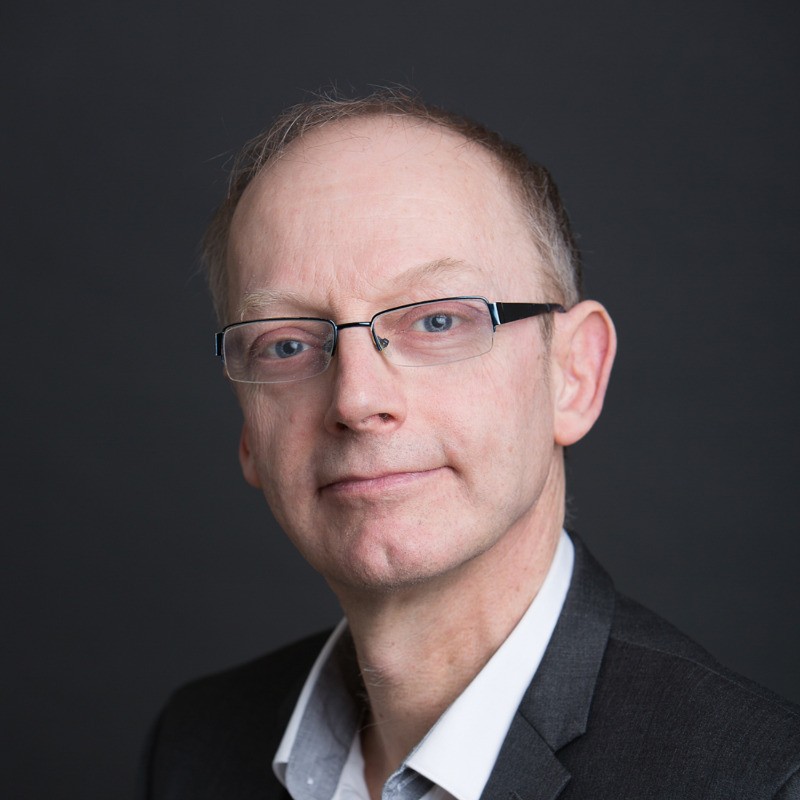
The idea takes root
Thomas Landspurg
The idea grows out of Thomas Landspurg's work on J2MEMap, bringing Google Maps to basic mobile phones. GPS is rare, often requiring an external Bluetooth receiver, but many phones can read their network's Cell ID.
Thomas sees a way to share what a few GPS-equipped devices know: map Cell IDs to locations, then let phones without GPS use that knowledge to estimate their own position.
He creates CELLID as a collaborative, open database, with an SDK that lets applications both use the data and contribute observations. The goal is simple: make location accessible to everyone, not just those with GPS.
-
2013
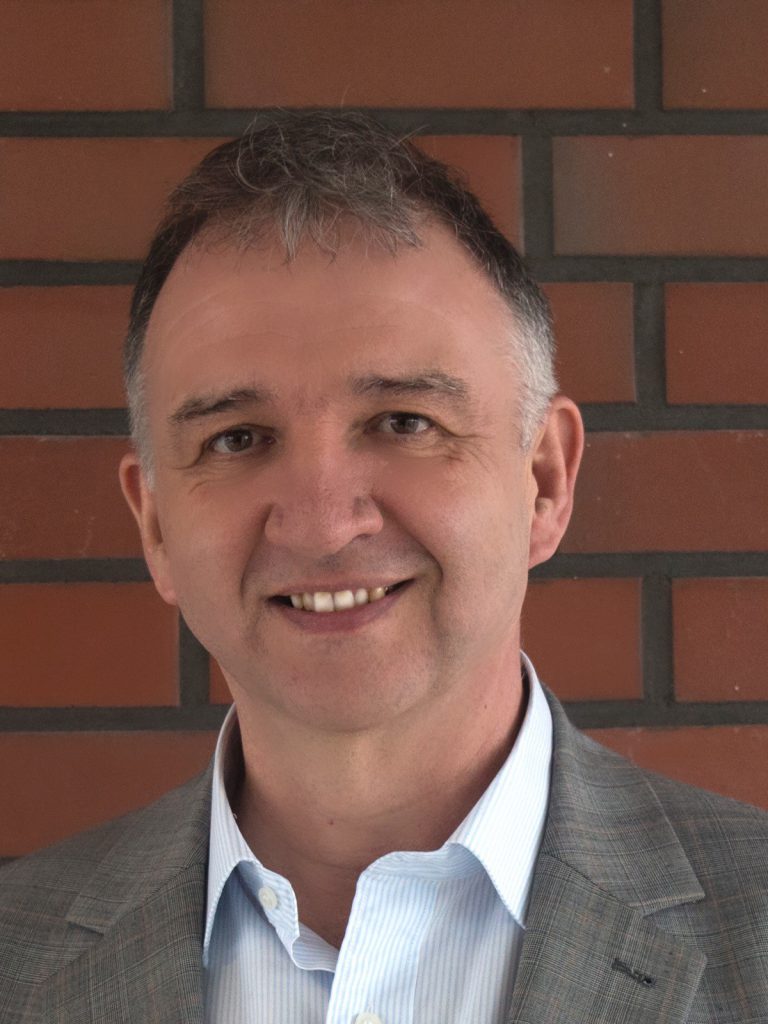
Markus takes the wheel
Markus Semm, ENAiKOON
Markus Semm, founder of ENAiKOON, assumes maintainership in spring 2013. He funds the infrastructure personally, rebuilds the backend to handle the growing load, and cleans up the dataset.
He builds contributor apps and forges a partnership with Mozilla's Location Service around a shared export format. By 2014, the database holds over 5 million unique cell IDs, with 2 million new measurements arriving daily.
-
2017
Picking up the baton
Undfe
After four years of stewardship, Markus passes maintainership to Undfe in July 2017. At the handover: 35.5 million unique cells, 2.1 billion measurements, and 50,000+ contributors and developers.
The community gets a forum, cloud infrastructure, and expanded coverage across more radio types.
-
Today
Still built together
Contributors around the world keep sharing observations across GSM, CDMA, UMTS, LTE and 5G NR. Every contribution helps make cellular data more useful and accessible.